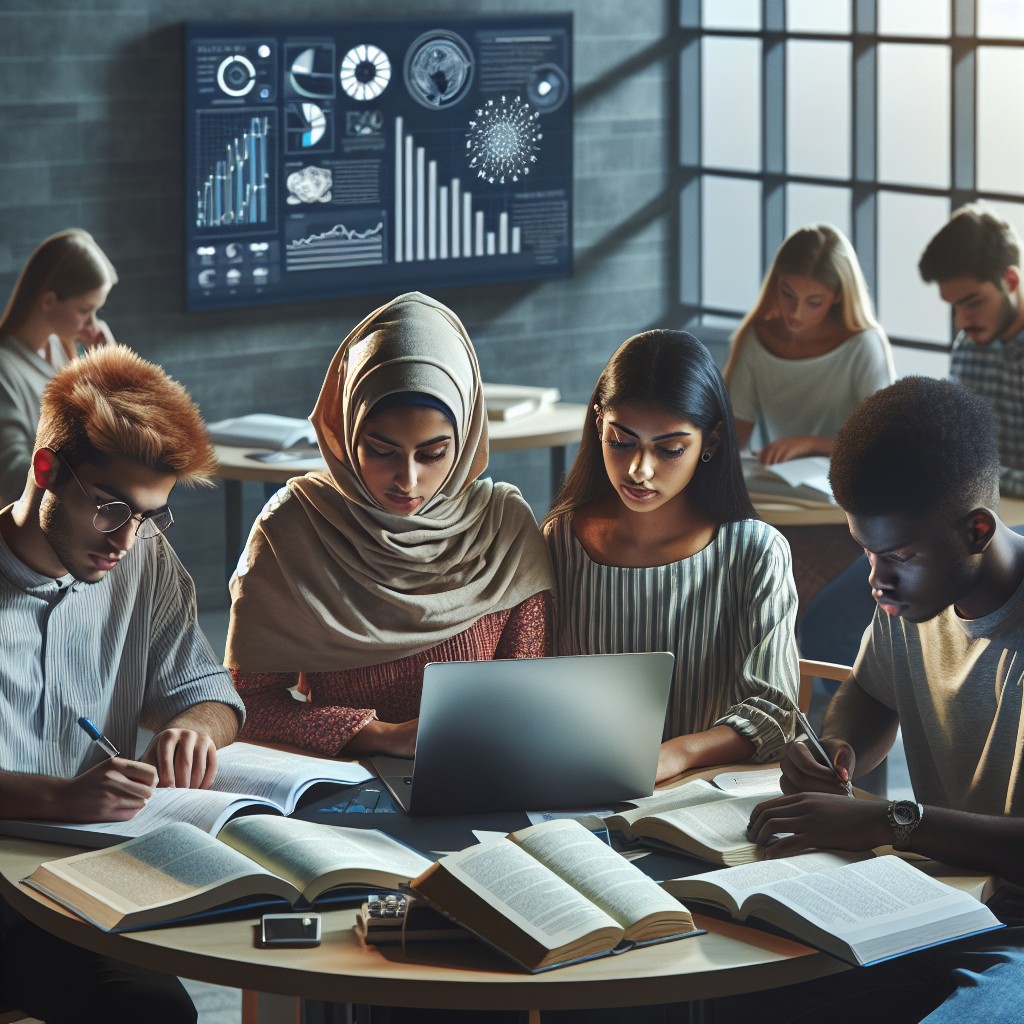
In today’s rapidly evolving economy, organizations face an urgent need to bridge the skills gap through effective workplace learning strategies. As technologies advance and job requirements change, companies must adapt their training approaches to ensure employees keep pace with emerging demands.
Emphasis on Personalized Learning Paths
One of the prevailing trends in workplace learning involves the customization of training programs to fit the unique needs of individual employees. Instead of adopting a one-size-fits-all model, employers increasingly leverage data-driven insights to personalize content, pacing, and assessment methods. This approach not only boosts engagement but also accelerates skill acquisition, targeting those areas where employees need the most development.
Integration of Digital Learning Platforms
The adoption of advanced digital platforms has transformed workplace learning into a more accessible and flexible process. Learning management systems now incorporate interactive features such as microlearning modules, gamification, and mobile compatibility. These technologies enable employees to learn at their convenience, reducing downtime and promoting continuous professional growth. Moreover, organizations utilize analytics tools embedded in these platforms to monitor progress and adjust programs accordingly.
Rise of Collaborative and Social Learning
Collaboration in learning environments has become a significant focus in closing the skills gap. Social learning encourages employees to share knowledge and best practices through forums, webinars, and peer-to-peer coaching. This communal approach helps to democratize expertise within companies and fosters a culture of ongoing development. Such methods are particularly effective for complex problem-solving and innovation-driven industries.
Focus on Soft Skills alongside Technical Training
While technical skills remain essential, there is a growing acknowledgment of the importance of soft skills like communication, adaptability, and critical thinking in workplace learning. Employers recognize that these competencies often underpin effective teamwork and leadership. Consequently, modern training programs balance technical instruction with activities designed to cultivate interpersonal and cognitive skills, which are critical in navigating dynamic work environments.
Utilization of Artificial Intelligence and Automation
Artificial intelligence (AI) is increasingly incorporated into workplace learning solutions to enhance efficiency and relevance. AI-powered systems can recommend learning materials based on employee performance and predict skill gaps before they widen. Automation streamlines administrative tasks related to training management, allowing human resources teams to focus on strategic development initiatives. These innovations contribute to faster, more targeted skill acquisition aligning closely with organizational objectives.
As workplace learning continues to evolve, these trends collectively offer promising pathways to closing skill gaps more rapidly. Personalized approaches, digital integration, collaborative methods, balanced skill development, and AI utilization represent a shift toward more effective and responsive training environments. Companies investing in these strategies are better positioned to meet current and future workforce demands, fostering resilience and competitiveness in an ever-changing global market.
Frequently Asked Questions about workplace learning
What is the importance of workplace learning in addressing the skills gap?
Workplace learning plays a crucial role in addressing the skills gap by providing employees with ongoing opportunities to develop relevant competencies aligned with evolving job requirements.
How does personalized workplace learning improve employee development?
Personalized workplace learning tailors training content to individual needs, increasing engagement and ensuring employees focus on acquiring skills necessary for their specific roles, thereby accelerating overall development.
Can digital platforms enhance the effectiveness of workplace learning?
Yes, digital platforms enhance workplace learning by offering flexible access, interactive features, and analytics that help organizations monitor progress and adapt training programs.
Why are soft skills included alongside technical training in workplace learning initiatives?
Soft skills complement technical abilities by improving communication, adaptability, and teamwork, which are essential for effective performance and leadership within the workplace learning framework.
What role does artificial intelligence play in modern workplace learning?
Artificial intelligence supports workplace learning by personalizing content recommendations, predicting skill gaps, and automating administrative tasks, making learning programs more efficient and targeted.
For more information on current trends in workplace learning, global forums provide comprehensive insights and research. Additionally, trusted news sources regularly cover advancements in workplace learning to inform organizations and professionals worldwide.